01 / THE VESSEL
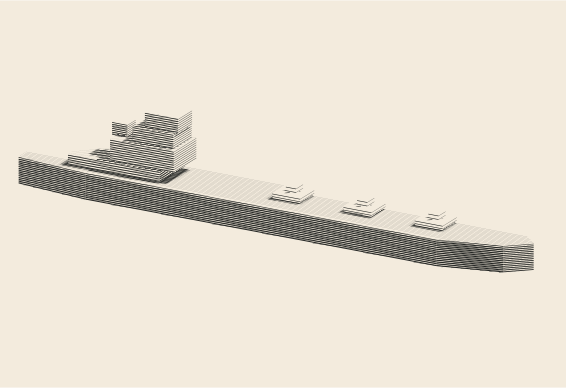
PHYSICAL OBJECT → ROUTE SYSTEM → DEPENDENCY
A tanker crosses a contested maritime corridor. Saudi and Emirati pipelines avoid the strait, but they carry different crude streams and have their own terminal, capacity and security constraints.
shipping access, security, insurance
Abqaiq → Yanbu / Red Sea. Operational disruptions and terminal capacity limit what can be redirected.
Crude route to Gulf of Oman; some capacity already occupied by existing exports.
Hormuz traffic includes crude AND petroleum products. Bypass availability refers to crude-pipeline capacity; the dates and commodity coverage differ. The figures must not be divided into a replacement percentage.
The Saudi East–West route suffered a September interruption and subsequently resumed; the post-restart level is not inferred from February spare-capacity estimates.
The pipelines can redirect some exports away from the strait, concentrating new dependencies on inland pipeline integrity, Yanbu and Fujairah terminals, and onward shipping. Substitution is constrained, conditional and time-dependent.